
What Does Good Leadership Actually Look Like?
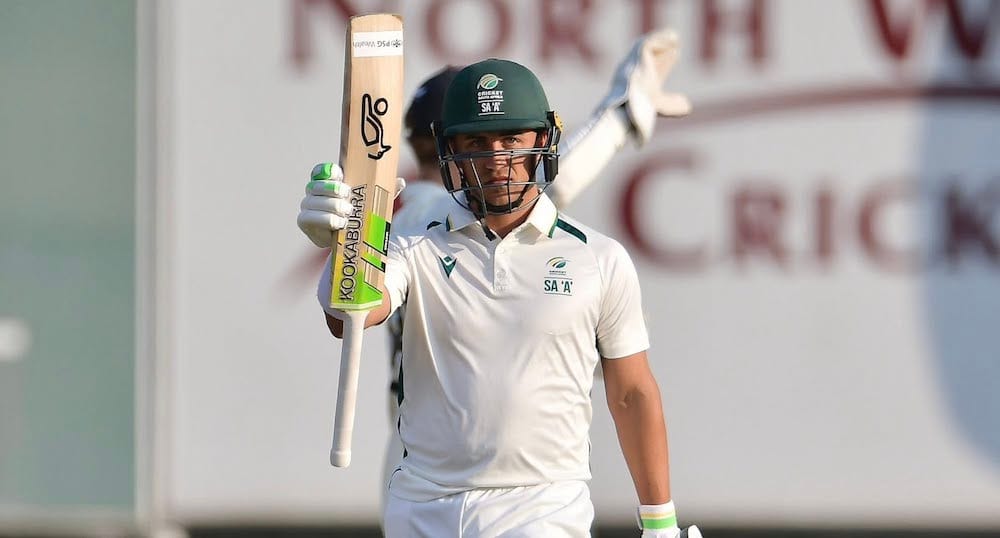
When cricket fans discuss leadership, the conversation often centres around personality.
Who is the most vocal?
Who is the most aggressive?
Who can deliver the best team talk?
Yet some of the most effective leaders in sport rarely fit that description.
They don't dominate every conversation.
They don't constantly demand attention.
Instead, they build credibility through their actions.
That was one of my biggest takeaways from hearing Marques Ackerman speak about leadership.
Throughout his career, Ackerman has consistently earned leadership roles. From age-group cricket to provincial cricket and more recently South Africa A, teammates and coaches have repeatedly trusted him to lead.
That doesn't happen by accident.
What stood out was how much his approach has evolved over time.
Like many young captains, he initially believed leadership meant being intense and direct. Experience taught
him something different.
Not every player responds to the same message.
Not every player needs the same type of support.
The best leaders understand people before they try to manage them.
It's a lesson that extends far beyond cricket.
One player might need a difficult conversation after a poor performance. Another might need encouragement. A third might simply need space.
Understanding the difference can be the key to unlocking performance.
What I also found interesting was Ackerman's belief that a captain must first earn his place as a player.
That sounds obvious, but it is often overlooked.
Leadership without performance becomes difficult to sustain.
Players naturally follow people who consistently contribute and set standards through their own actions.
Ackerman's recent performances for South Africa A are a perfect example. His century against England Lions was not only valuable for the team, it reinforced the credibility that comes with leading from the front.
There was another comment that resonated with me.
When discussing criticism and pressure, Ackerman spoke about perspective. Cricket matters, but it is not everything.
In an era where players face constant scrutiny through social media, maintaining that perspective is perhaps one of the most important leadership qualities of all.
The best captains don't just manage tactics.
They help create environments where people can perform.
And perhaps that's why leadership is often misunderstood.
It's not always about being the loudest voice in the room.
Sometimes it's about being the calmest.
In this exclusive feature, Marques Ackerman shares how his leadership style has evolved, why understanding individual players matters, how he separates captaincy from personal performance, and the lessons he has learned leading teams throughout his career.

Created with © systeme.io