
Were The Warning Signs There All Along?
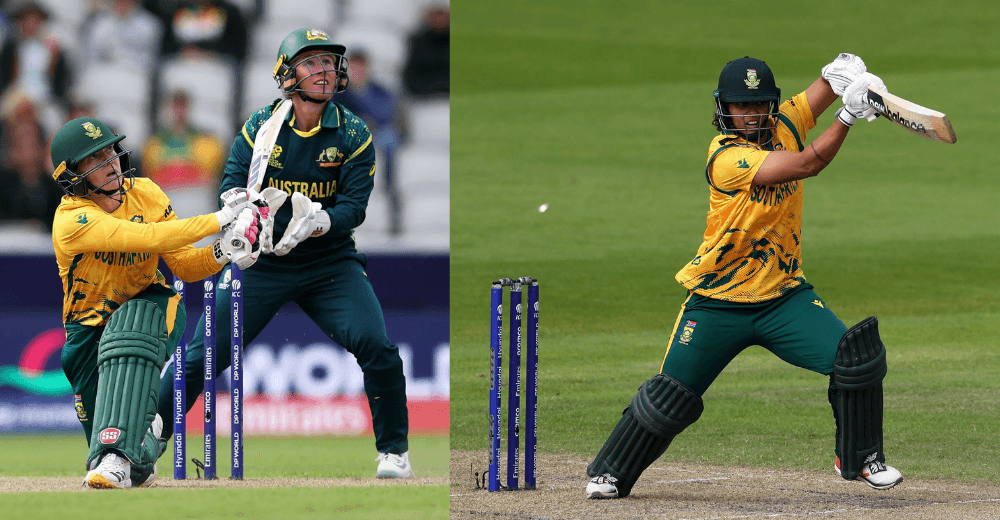
Losing to Australia at a World Cup is not a crisis.
The Australians have been the benchmark in women's cricket for well over a decade. They have depth, experience, and an ability to absorb pressure that few teams in world cricket can match.
But while South Africa's opening defeat at the ICC Women's T20 World Cup was disappointing, the result itself is not what concerns me most.
It's what the defeat revealed.
For much of the 2025/26 season, the Proteas Women have produced encouraging results. A series win over India boosted confidence. The squad arrived in England believing it could challenge for the title. After all, this is a team that has reached the final of the last three ICC events.
Yet throughout the season, there has been one recurring question.
Who consistently supports Laura Wolvaardt?
The captain has once again led from the front. Suné Luus has enjoyed an outstanding campaign. But championship-winning teams are rarely built around one or two batters carrying the majority of the scoring burden.
They require depth.
They require clarity.
Most importantly, they require settled roles.
That is why some of the discussion following the Australia match has been so interesting.
When players find themselves batting in unfamiliar positions during a World Cup, it naturally raises questions about whether the team has truly settled on its best combination.
Perhaps injuries and availability issues forced the coaching staff to adapt throughout the season. Marizanne Kapp's absence for large portions of the campaign certainly complicated matters.
But World Cups have a way of exposing weaknesses that bilateral series can sometimes mask.
Australia didn't create South Africa's middle-order concerns.
They highlighted them.
The encouraging aspect for Proteas supporters is that one defeat does not define a tournament. There is still enough quality in this squad to recover and push for a semi-final place.
The challenge now is finding the right formula quickly.
Pakistan await next, and South Africa know that another slip-up could leave their World Cup hopes hanging by a thread.
This tournament is far from over.
But the margin for error has become significantly smaller.
In our latest feature, we dissect the defeat in detail, analyse the batting statistics behind South Africa's struggles, examine the selection and positional decisions made throughout the season, and ask whether the warning signs were there long before the Proteas arrived in England.

Created with © systeme.io